



ERS Roofing & Rejuvenation
Trim Work That Maintains Roof Ventilation
Soffit & Fascia Repair and Replacement in Somerset for homes with visible rot or inadequate attic airflow
6-YEAR WARRANTY INCLUDED
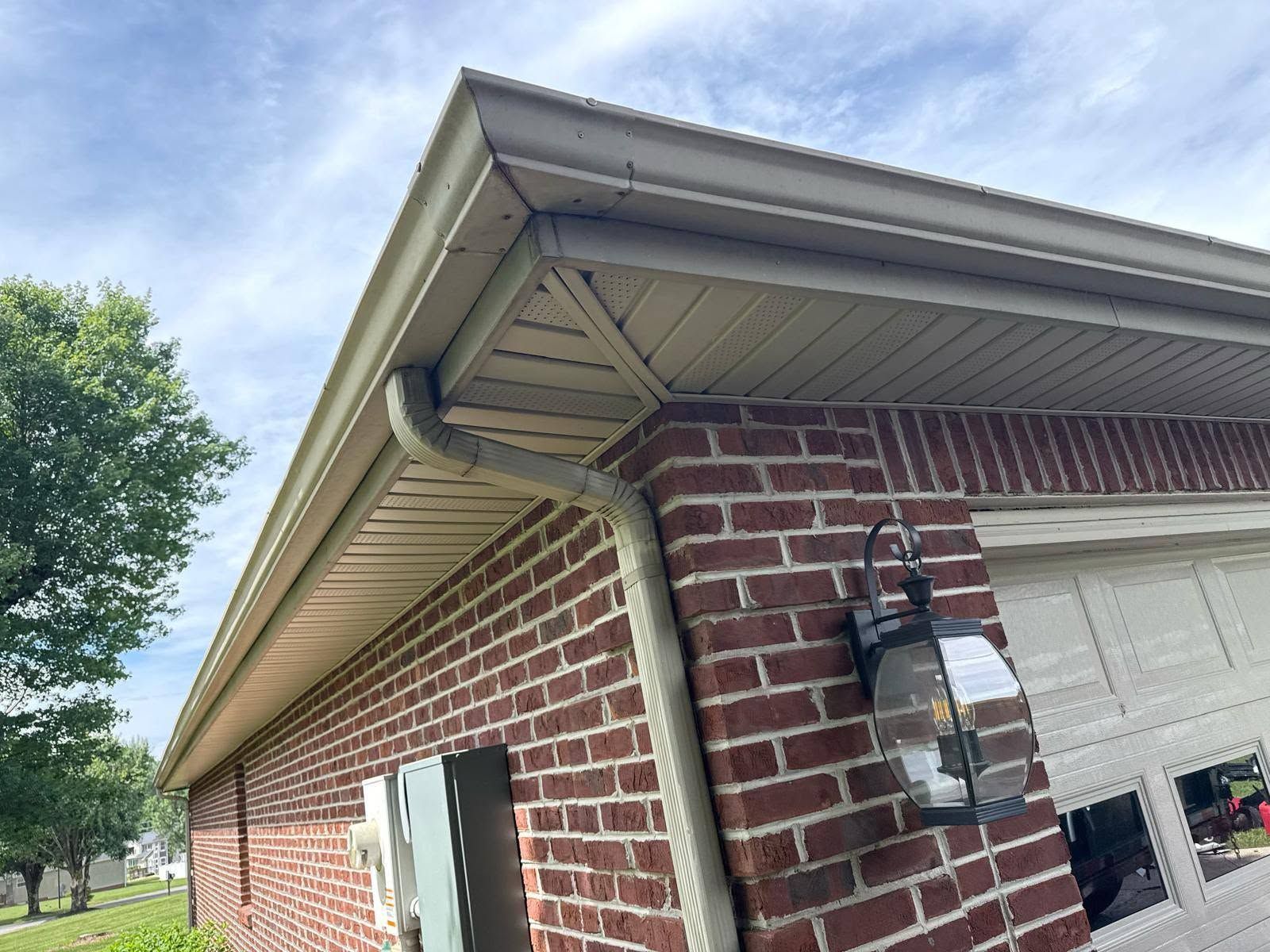
Kentucky's humidity creates persistent moisture exposure that deteriorates soffit panels and fascia boards, leading to rot, insect damage, and compromised roof ventilation that traps heat and moisture in attic spaces. Elite Rooftop Systems addresses soffit and fascia deterioration throughout Somerset by removing damaged components and installing properly vented replacement systems that improve airflow while protecting roof edges from water infiltration. Vented soffits allow intake air to reach ridge vents or gable exhausts, completing the convection cycle that prevents shingle-damaging heat buildup and condensation that leads to mold growth on attic sheathing.
The repair process begins with inspection of rafter tails and fascia boards behind damaged trim to assess whether structural lumber requires replacement before new finish materials can be installed. Water damage often extends beyond visible soffit failure because roof leaks or ice dams allow moisture to wick into wood framing that remains hidden until trim removal exposes the extent of deterioration. Proper ventilation improvements involve calculating required intake area based on attic square footage and confirming that soffit vents balance with exhaust capacity at the roof peak.
Schedule an inspection to evaluate soffit damage and receive ventilation capacity recommendations for your attic space.
Why Proper Installation Works for Long-Term Protection
Fascia board replacement requires selecting rot-resistant materials such as PVC, composite, or pressure-treated lumber that withstand constant moisture exposure from gutter overflow and roof edge runoff better than standard pine or fir boards that fail within a decade in damp environments. Soffit installation includes maintaining the correct gap spacing in vented panels to allow adequate airflow without creating openings large enough for insect entry or small animal access. Each linear foot of soffit should provide specific ventilation area calculated according to building codes that tie intake capacity to total attic volume.
Once Elite Rooftop Systems completes the installation, you'll notice that attic temperatures drop during summer months because continuous soffit intake feeds the convection system that exhausts hot air at the roof peak, and winter condensation problems diminish as moisture vapor escapes rather than condensing on cold sheathing surfaces. New fascia boards support gutter systems without sagging or pulling away from the roofline, and painted or pre-finished trim maintains a clean appearance without the peeling and water staining characteristic of rotted wood.
Complete exterior trim upgrades often coincide with siding or roofing projects when access to roof edges is already established through scaffolding or lift equipment, reducing the cost of dedicated setup for trim-only work. The decision to repair versus replace depends on how extensively rot has compromised structural lumber behind the visible trim, with spot repairs suitable only when damage remains localized to isolated sections rather than running continuously along roof edges.
FAQ
Questions Before Starting Your Project
Somerset homeowners typically ask about rot prevention, ventilation requirements, and material options before committing to fascia and soffit work.
What causes soffit and fascia to rot?
Gutter overflow, ice dams, and roof leaks direct water against trim boards where constant moisture exposure breaks down wood fibers, while inadequate paint or sealant allows humidity to penetrate surfaces and create conditions for decay fungi that thrive in Kentucky's warm, damp climate.
How much ventilation do soffits need to provide?
Building codes require one square foot of ventilation area for every 150 square feet of attic space when intake and exhaust vents are balanced, with soffit intake accounting for approximately half that total area distributed evenly along eaves to create uniform airflow across the attic floor.
When should fascia be replaced instead of repaired?
Replacement becomes necessary when water damage extends more than a quarter inch deep into the board, when rot affects more than 30 percent of the fascia length, or when previous repairs have failed because underlying structural damage was not addressed during earlier patch attempts.
What materials resist rot better than standard wood?
PVC and composite fascia boards offer complete rot resistance and require no painting, while pressure-treated lumber provides good durability at lower cost but needs periodic sealing to maintain protection against moisture infiltration through end cuts and fastener holes.
How does inadequate soffit ventilation damage roofs?
Trapped attic heat accelerates shingle aging by increasing surface temperatures beyond design limits, while winter moisture condensation soaks insulation and promotes mold growth on sheathing, with both conditions shortening roof lifespan and creating potential health concerns from airborne spores that migrate into living spaces.
Elite Rooftop Systems identifies the extent of trim damage and explains whether repairs or full replacement will deliver lasting results based on the structural condition found during inspection. Arrange an evaluation to address concerns with attic ventilation or visible soffit deterioration affecting your home's roof edge.
AVOID REPLACING.
REJUVENATE!
Same Day Service • No Mess • No Disruption
www.eliterooftopsystems.com