



ERS Roofing & Rejuvenation
Exterior Surfaces Built for Weather Resistance
Siding Installation & Exterior Remodeling in Somerset for homes with failing siding or inadequate insulation
6-YEAR WARRANTY INCLUDED
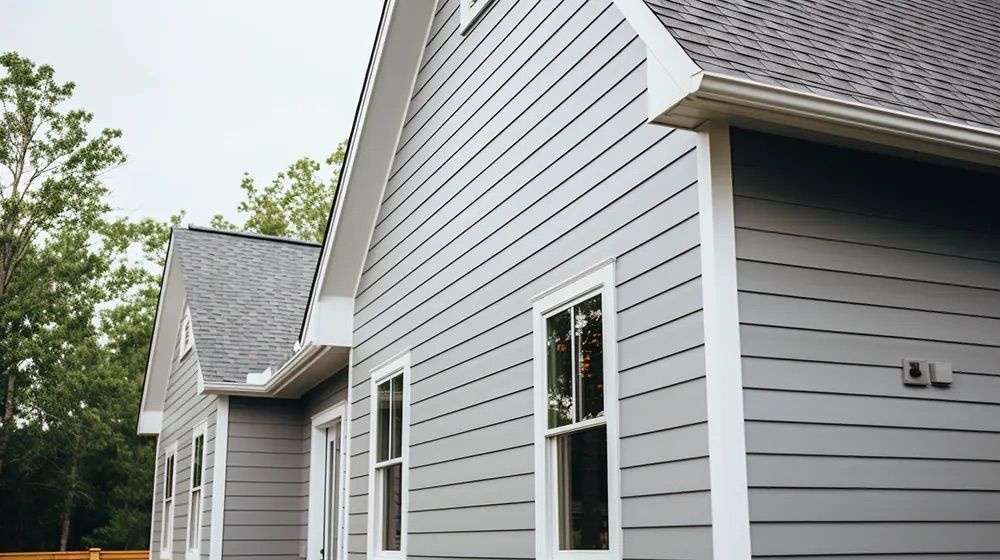
Vinyl siding installation, fiber cement panels, and engineered wood systems provide the primary barrier against wind-driven rain, temperature extremes, and impact damage that degrades building envelopes over time. Siding replacement becomes necessary when existing materials show warping, cracking, moisture intrusion behind panels, or when energy bills climb due to insufficient thermal protection under outdated exterior cladding. Elite Rooftop Systems handles complete siding projects in Somerset that improve both weather resistance and thermal performance while updating the appearance of residential properties.
The installation process involves removing old siding to inspect sheathing for rot or structural damage, adding or upgrading insulation layers to reduce heat transfer, and fastening new panels with proper overlap and drainage plane details that prevent water from reaching the wall cavity. Fiber cement offers superior durability and fire resistance compared to vinyl, while engineered wood provides a natural appearance without the maintenance demands of solid wood siding. Each material requires specific fastening patterns, expansion gaps, and trim details to perform correctly through seasonal temperature swings and moisture cycles common in Kentucky.
Request a detailed estimate based on your home's current exterior condition and insulation needs.
What Changes After Siding Installation Completes
Proper siding installation creates a continuous weather barrier that overlaps at each joint and directs moisture down and away from the structure through designed drainage channels built into the panel profiles. The addition of foam backing or housewrap insulation during siding replacement reduces thermal bridging through wall studs and lowers the heat transfer that causes high heating and cooling costs. Quality installations include attention to corner details, window and door trim integration, and J-channel placement that prevents water infiltration at transitions between different materials or building planes.
After completion, your home maintains more consistent interior temperatures without the drafts and cold spots associated with failing siding, and you'll notice reduced energy consumption as heating and cooling systems run less frequently to maintain comfort levels. The exterior no longer shows water staining, panel separation, or the fading and brittleness that develop in siding that has reached the end of its serviceable life. New siding also eliminates the maintenance cycle of scraping, caulking, and painting required by wood cladding systems.
Siding projects typically include soffit and fascia work when those components show damage, and may involve window trim replacement if existing casings are rotted or improperly flashed. The timeline for complete exterior remodeling depends on home size and the extent of sheathing repairs discovered once old siding is removed, with most residential projects taking one to three weeks from start to final inspection.
FAQ
Common Questions About This Service
Homeowners considering siding replacement frequently ask about material selection, longevity expectations, and the insulation benefits of modern systems.
What determines siding material choice?
Fiber cement resists rot, insects, and fire while holding paint longer than wood, vinyl offers low maintenance and color consistency but can crack in extreme cold, and engineered wood provides natural appearance with better moisture resistance than solid lumber through resin treatment and protective coatings.
How does new siding improve energy efficiency?
Modern siding systems include insulated backing or foam sheathing that reduces thermal transfer through walls by 20 to 30 percent compared to uninsulated installations, which lowers heating costs during Kentucky winters and reduces cooling loads during humid summer months.
When is complete siding replacement necessary versus spot repairs?
Full replacement makes sense when more than 30 percent of panels show damage, when you're adding insulation to improve energy performance, or when discontinued products make color matching impossible for repair patches that would be visibly inconsistent with existing siding.
What preparation happens before new siding goes up?
All old siding and trim must be removed, sheathing is inspected and repaired where moisture has caused deterioration, and housewrap or foam insulation is installed to create a drainage plane that prevents water from reaching the structure while improving thermal performance.
How long do different siding materials last in Somerset's climate?
Vinyl siding typically provides 20 to 30 years of service before UV exposure causes brittleness, fiber cement lasts 30 to 50 years with minimal maintenance beyond occasional painting, and engineered wood systems require periodic sealing to achieve 25 to 40 years of performance in Kentucky's humidity and temperature cycles.
Elite Rooftop Systems evaluates your current siding condition and provides material recommendations based on your performance priorities and budget parameters. Schedule a consultation to review options and receive project cost estimates for your specific home configuration.
AVOID REPLACING.
REJUVENATE!
Same Day Service • No Mess • No Disruption
www.eliterooftopsystems.com