


How Unaddressed Storm Damage Can Affect Your Roof Long-Term
Storm damage is not always as obvious as a missing shingle or a tree limb lying across the roof. In many cases, the most serious problems begin with small, almost invisible areas of damage that continue to worsen over time.
High winds, hail, heavy rain, and falling debris can weaken roofing materials, loosen flashing, damage shingles, and create openings where water can enter the home. When these problems are not identified and repaired promptly, a relatively minor issue can eventually lead to extensive—and expensive—damage.
## Small Roof Leaks Rarely Stay Small
A storm may create a tiny puncture, crack, or lifted shingle that allows only a small amount of water underneath the roofing system. Because the leak may not immediately produce a visible ceiling stain, homeowners often assume the roof is fine.
However, moisture can travel beneath shingles, underlayment, and roof decking before appearing inside the home. By the time water becomes visible on a ceiling or wall, the leak may have already affected insulation, framing, drywall, or other materials.
What could have been a straightforward roof repair may then become a much larger restoration project.
## Moisture Can Cause Roof Decking to Rot
Roof decking provides the structural surface beneath the shingles. When storm damage allows water to reach this layer, the decking may begin to soften, swell, or rot.
Damaged decking can cause sections of the roof to sag and may prevent shingles from remaining securely fastened. Over time, weakened decking can affect the structural integrity of the roofing system and increase the cost of a future roof replacement.
Prompt repairs can help prevent moisture from spreading and reduce the amount of damaged decking that must be replaced.
## Wind Damage Can Continue to Worsen
Strong winds do not always remove shingles completely. They may lift or loosen them just enough to break the adhesive seal.
A lifted shingle may settle back into place and appear normal from the ground, but it may no longer be securely attached. During the next storm, that shingle can lift again, tear, or blow away completely. Nearby shingles may then become vulnerable as well.
This is one reason a professional roof inspection is important after a severe windstorm—even when no obvious damage is visible from the yard.
## Hail Damage Can Shorten a Roof’s Lifespan
Hail can knock protective granules away from asphalt shingles and create small impact fractures in the roofing material. These granules help protect shingles from ultraviolet sunlight, heat, and weather exposure.
Once enough granules are lost, the asphalt beneath the surface becomes more vulnerable. The shingles may dry out, crack, blister, or deteriorate faster than expected.
Hail damage may not cause an immediate leak, but it can significantly shorten the remaining service life of the roof.
## Damaged Flashing Can Allow Water Into Vulnerable Areas
Flashing is installed around chimneys, vents, valleys, skylights, and roof-to-wall transitions. These areas are already more vulnerable to water intrusion than the open sections of a roof.
Storms can bend, loosen, puncture, or pull flashing away from the structure. Even a small separation can allow water to enter around these roof penetrations.
Because flashing problems can be difficult to see from the ground, they are often overlooked until interior water damage appears.
## Trapped Moisture Can Lead to Mold and Interior Damage
Once moisture enters the attic, it can affect more than the roof itself. Wet insulation becomes less effective, wood framing can begin to decay, and damp conditions may encourage mold and mildew growth.
Long-term water intrusion can also damage:
* Ceilings and drywall
* Paint and interior finishes
* Electrical components
* Attic insulation
* Rafters and structural framing
* Personal belongings stored in the attic
Addressing roof damage early helps protect the entire home—not just the shingles.
## Delayed Repairs May Complicate an Insurance Claim
Homeowners insurance policies generally require property owners to take reasonable steps to prevent additional damage after a storm. Waiting too long to report or repair storm-related roof damage may make it more difficult to determine what damage came from the original storm and what resulted from continued neglect.
Photographs, inspection reports, repair records, and prompt communication can all help document the condition of the roof following a storm.
Homeowners should review their individual policy and contact their insurance provider with questions about coverage, reporting deadlines, deductibles, and claim procedures.
## A Professional Inspection Can Catch Problems Early
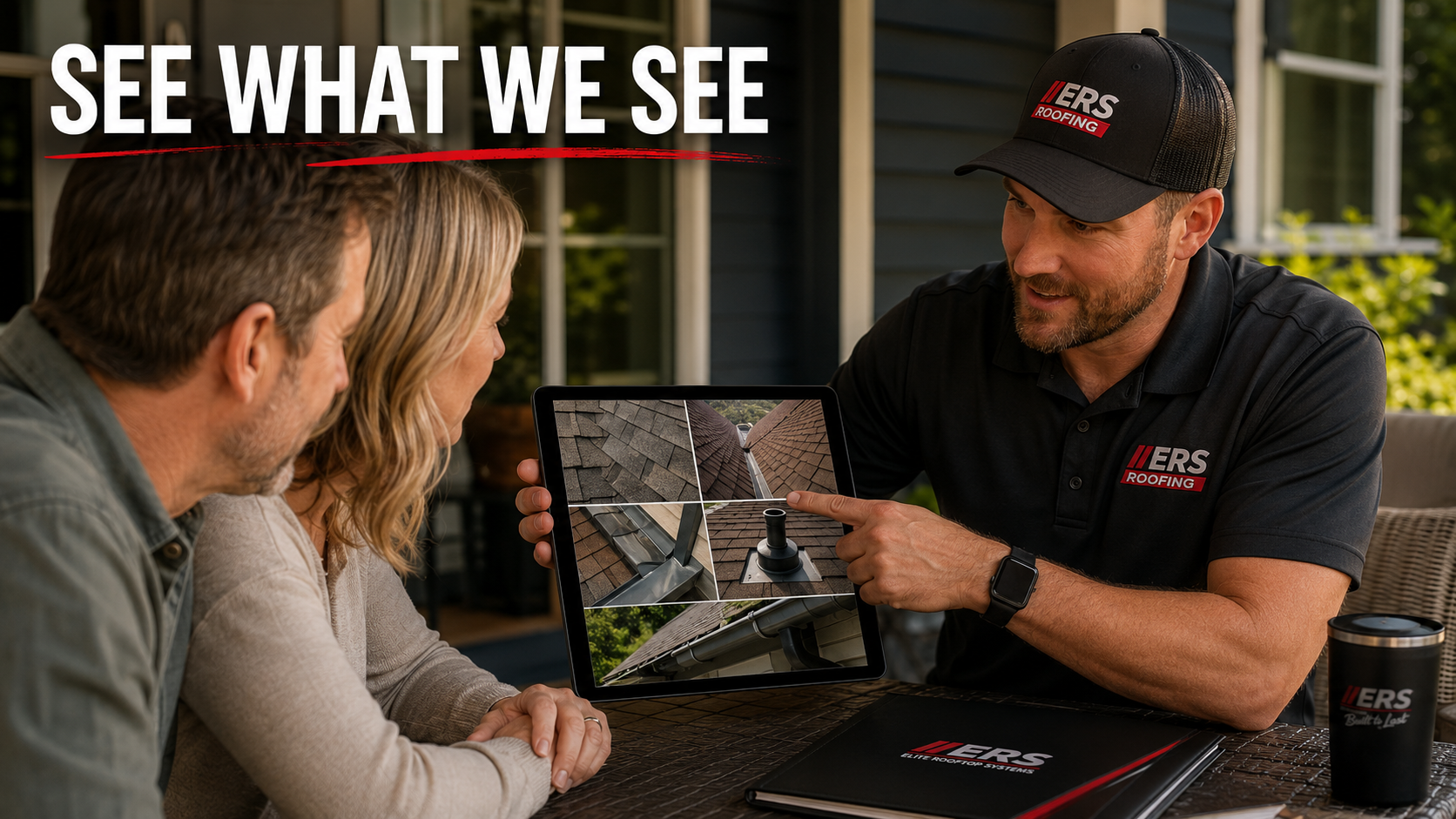
Walking around the property after a storm is a good first step, but many roofing problems cannot be properly evaluated from the ground. Climbing onto the roof without the proper training and safety equipment can also be dangerous.
A professional roofing contractor can inspect shingles, flashing, roof penetrations, valleys, gutters, ventilation components, and other vulnerable areas. The contractor can then explain whether the roof requires a minor repair, temporary protection, continued monitoring, or more extensive work.
## Do Not Wait for a Ceiling Stain
One of the biggest mistakes homeowners make is waiting for water to appear inside the home before scheduling an inspection. Interior leaking is often a late-stage symptom—not the beginning of the problem.
After a significant hailstorm, windstorm, or severe weather event, having the roof inspected can provide valuable peace of mind. If damage is present, addressing it early may help prevent structural deterioration, interior repairs, mold concerns, and premature roof replacement.
## Schedule a Storm-Damage Roof Inspection
At Elite Rooftop Systems, we help homeowners throughout Central Kentucky identify storm-related roofing problems and understand their available repair or replacement options.
Our team believes in providing honest information, clear communication, and a no-pressure approach. Whether your roof has visible damage or you simply want reassurance after a major storm, we are here to help.
Contact Elite Rooftop Systems today to schedule your roof inspection.
**Local. Trusted. Elite. We’ll get on top of it.**