



How to tell if you need a new roof replacement
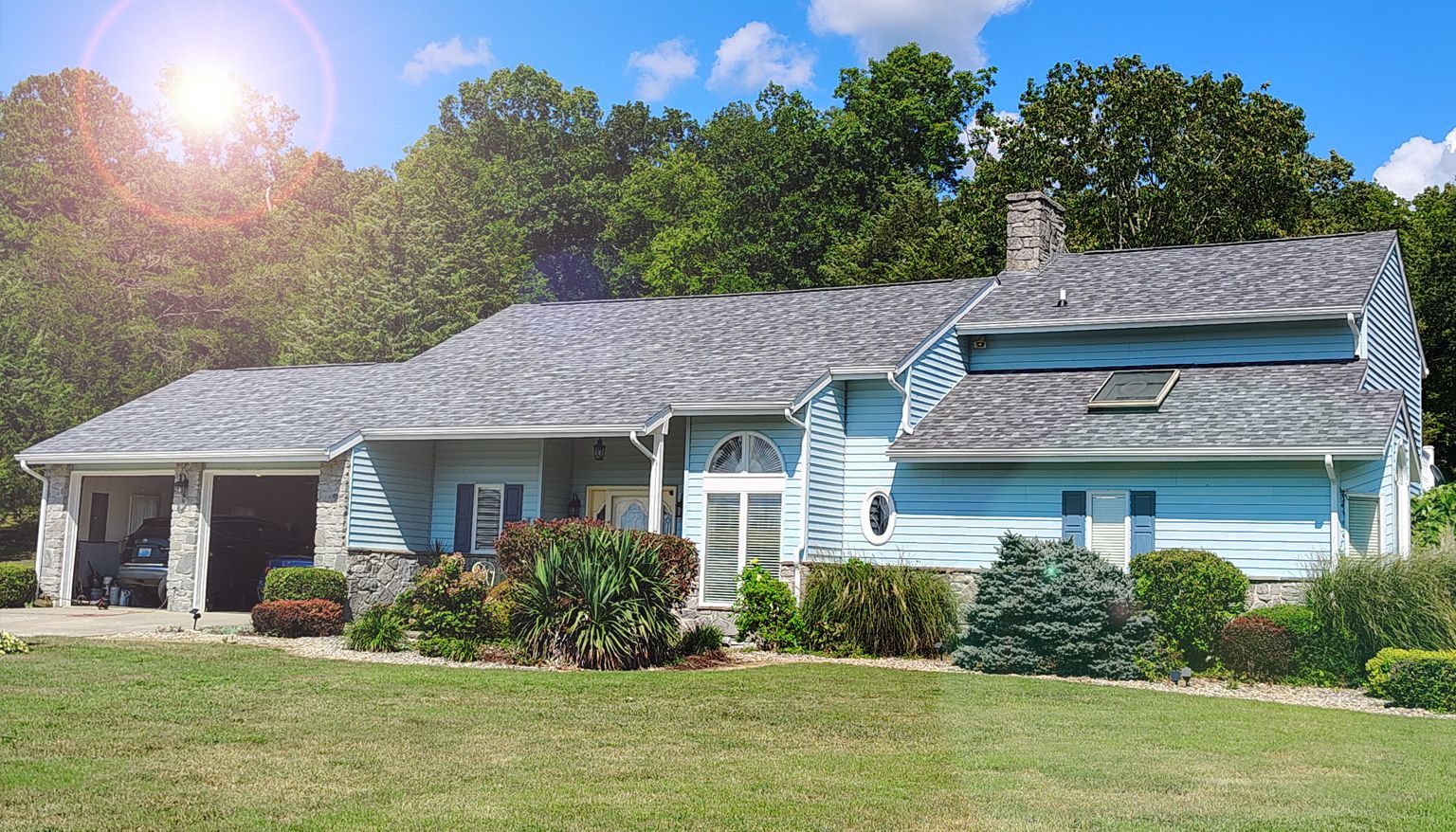
A roof replacement is one of the largest investments most Kentucky property owners make, and the price should never feel like a mystery. Roof replacement cost in Kentucky varies widely because every roof has its own size, slope, condition, material needs, and installation challenges. A trustworthy estimate does more than give one number. It explains what your property needs, what is included, and where costs could change before work begins.
For many homeowners, a professionally installed asphalt-shingle replacement may range from several thousand dollars for a smaller, straightforward home to well into five figures for a larger or more complex roof. That broad range is not meant to be evasive. It reflects real differences in roof design, material selection, deck repairs, ventilation, tear-off requirements, and storm-related damage. The right question is not simply, “What is the average price?” It is, “What will it take to protect this roof properly for the long term?”
What Drives Roof Replacement Cost in Kentucky?
Roof size is the starting point, but it is not the whole story. Roofing is commonly measured in squares, with one square equal to 100 square feet of roof surface. A home’s living area does not equal its roof area, especially when it has a steep pitch, multiple levels, attached garages, dormers, or deep overhangs. A detailed measurement helps prevent an estimate that looks appealing at first but leaves out necessary materials or labor.
Pitch and complexity also affect the scope. A low-pitch, simple gable roof is generally faster and safer to install than a steep roof with valleys, skylights, chimneys, and multiple transitions. Those features require more cutting, flashing, safety planning, and labor. They are also common places for leaks when workmanship is rushed.
The existing roof system matters as well. Removing one layer of old shingles is different from removing two layers, and damaged decking cannot be responsibly covered over. When old materials come off, an installer may find soft wood, inadequate ventilation, failed flashing, or storm damage that was not visible from the ground. A clear proposal should explain how concealed deck repairs are handled and priced if they become necessary.
Kentucky weather adds another layer to the decision. Heavy rain, wind, hail, humid summers, ice, and changing temperatures all place stress on roofing materials. A replacement should be designed as a complete system, not simply a new layer of shingles. Underlayment, starter materials, ridge ventilation, intake ventilation, pipe boots, flashing, and properly secured edges all contribute to how the roof performs through the next round of severe weather.
Typical Price Ranges and What They Mean
Asphalt shingles remain the most common choice for Kentucky homes because they offer dependable protection at a practical price point. Within that category, cost can vary significantly between basic architectural shingles, impact-resistant products, premium designer styles, and systems with enhanced warranties. Higher-priced materials may make sense for a home exposed to frequent storm activity or for an owner planning to stay in the property for many years. They are not automatically the best choice for every budget or property.
Metal roofing usually costs more upfront than asphalt shingles, but it can offer a long service life, strong wind performance, and a distinctive appearance. The final cost depends on the metal type, panel profile, roof complexity, trim work, and whether the old roof must be removed. It is a long-term investment decision, not just a material upgrade.
Low-slope residential and commercial roofs require their own evaluation. Membranes, modified bitumen systems, coatings, drainage improvements, insulation, and rooftop equipment can all influence the price. In some cases, a coating or restoration system may extend the life of a qualifying roof at a lower cost than full replacement. In others, trapped moisture, recurring leaks, or an aging membrane make replacement the more protective choice. A proper inspection should determine which path fits the roof’s actual condition.
Be cautious with any quote that is dramatically lower than others without a clear reason. It may exclude tear-off, disposal, flashing, ventilation, permits, or cleanup. It may also rely on lower-grade materials or omit the labor needed for detailed installation. The least expensive bid can become the most expensive option if it creates preventable repairs later.
What a Clear Roofing Estimate Should Include
A well-prepared estimate gives you a written scope rather than a vague promise. Before approving work, property owners should be able to see how the contractor plans to protect the home and complete the project. At a minimum, the scope should address these distinct parts of the job:
The roofing material, manufacturer line, color, and underlayment system being installed.
Removal of existing roofing, disposal of debris, and protection of landscaping, siding, and driveways.
Flashing, ventilation, drip edge, pipe boots, and other components that support the roof system.
How decking repairs, hidden damage, permits, cleanup, payment terms, and warranty information will be handled.
This level of detail lets you compare estimates fairly. Two proposals with the same total price can represent very different levels of workmanship and protection. If something is unclear, ask for a direct answer before signing. You deserve to know whether the quote covers a complete system or only the most visible portion of the work.
Storm Damage and Insurance Claims
Wind and hail can create damage that is easy to miss. Missing shingles are obvious, but lifted tabs, fractured shingle mats, bruised surfaces, damaged flashing, and granule loss may require a closer inspection. If a recent storm affected your property in Somerset, London, Lexington, Corbin, Richmond, Danville, or another central or southeastern Kentucky community, documentation can be especially helpful.
Insurance may cover qualifying sudden storm damage, subject to your policy, deductible, age-related depreciation, and adjuster findings. It generally does not cover ordinary wear, neglected maintenance, or a roof that has simply reached the end of its service life. No contractor can promise a particular insurance outcome, but a documented inspection and a detailed damage assessment can help you understand the condition of the roof and provide useful information for your claim.
Do not let an insurance conversation delay emergency protection. Active leaks can damage insulation, ceilings, framing, flooring, and electrical systems. Temporary repairs and prompt documentation may reduce further loss while the claim is being reviewed.
When Replacement May Not Be the First Answer
Not every worn-looking roof needs immediate replacement. A localized leak may come from damaged flashing, a failed pipe boot, an exposed nail, or a small area of wind damage. Repair can be the sensible option when the larger roof system remains in sound condition.
Qualifying asphalt-shingle roofs may also benefit from shingle rejuvenation, which can help restore flexibility and extend useful life. This is not a substitute for replacement when shingles are failing, decking is compromised, or storm damage is widespread. It is an option worth discussing when the roof is aging but still structurally sound and you want to make a careful, cost-conscious decision.
A good contractor should be willing to explain both the repair and replacement paths. Pressure to replace a roof without a thorough inspection is not the same as a professional recommendation backed by evidence.
How to Plan for the Investment
Start with an inspection before the damage becomes urgent. Early planning gives you time to compare material options, review the scope, ask questions about scheduling, and consider financing if it is available. It also helps you avoid making a major decision in the middle of an active leak or immediately after a storm.
Keep in mind that a roof replacement can affect more than shingles. Gutters, fascia, soffit, siding transitions, attic ventilation, and chimney flashing may all deserve attention at the same time. Coordinating related exterior work can protect the finished roof and provide a more complete result, though it may increase the initial project total.
For commercial owners, planning is equally important. Consider tenant needs, building access, drainage, equipment on the roof, safety requirements, and opportunities to schedule work around operations. The lowest disruption is often achieved through a well-documented scope and clear communication before crews arrive.
Elite Rooftop Systems approaches replacement decisions with detailed inspections, straightforward recommendations, and written scopes designed to keep Kentucky property owners informed. The goal is not to push every roof toward replacement. It is to identify the condition of the existing system and recommend the level of work that best protects the building.
If your roof is aging, leaking, or showing signs of storm damage, begin with clear answers rather than a guess at the price. A careful inspection and a complete estimate give you a practical way to protect your property, your budget, and your peace of mind.